
Panels Restored After Storm Impact
Hail Damage Repair in Bismarck for vehicles showing dents, surface deformation, and paint disruption from severe weather events
Hailstorms in North Dakota produce ice projectiles ranging from pea-size pellets to golf-ball impacts that dimple horizontal surfaces like hoods, roofs, and trunk lids while leaving vertical panels with fewer or shallower dents depending on wind direction during the storm. The repair strategy depends on whether the hail has only deformed the metal or also cracked the paint—paintless dent repair preserves factory finishes when coatings remain intact, while traditional methods become necessary when impacts have fractured the clear coat or exposed primer layers. ProFinish evaluates hail damage by checking dent depth with calibrated tools, inspecting paint for micro-cracking under magnification, and mapping the density of impacts across each panel to determine the most efficient repair path.
Paintless dent repair involves accessing the backside of affected panels through door openings, trunk cavities, or by removing interior trim, then using metal rods and specialized tips to massage dents outward without disturbing the paint. This method works when the metal has not stretched beyond its elastic limit and the finish has not cracked, conditions that apply to many hail events producing one-inch or smaller impacts. When dents are too deep, too numerous, or located in double-layered panel areas without backside access, the shop uses traditional filler application, sanding, priming, and refinishing to return surfaces to smooth contours before applying color-matched paint.
Arrange a hail damage inspection to document storm impacts and determine repair methods based on panel condition.
What Changes Once Hail Repairs Finish
The repair process removes all visible dents so that panels reflect light evenly without the rippled or dimpled appearance hail creates across large surface areas. After paintless dent repair, the factory finish remains unchanged with no paint thickness variation or color mismatch, while refinished panels receive clear coat that matches the gloss level and texture of surrounding original paint. The shop verifies that horizontal surfaces appear smooth when viewed at low angles in direct sunlight, a condition that reveals even minor remaining imperfections invisible under diffused garage lighting.
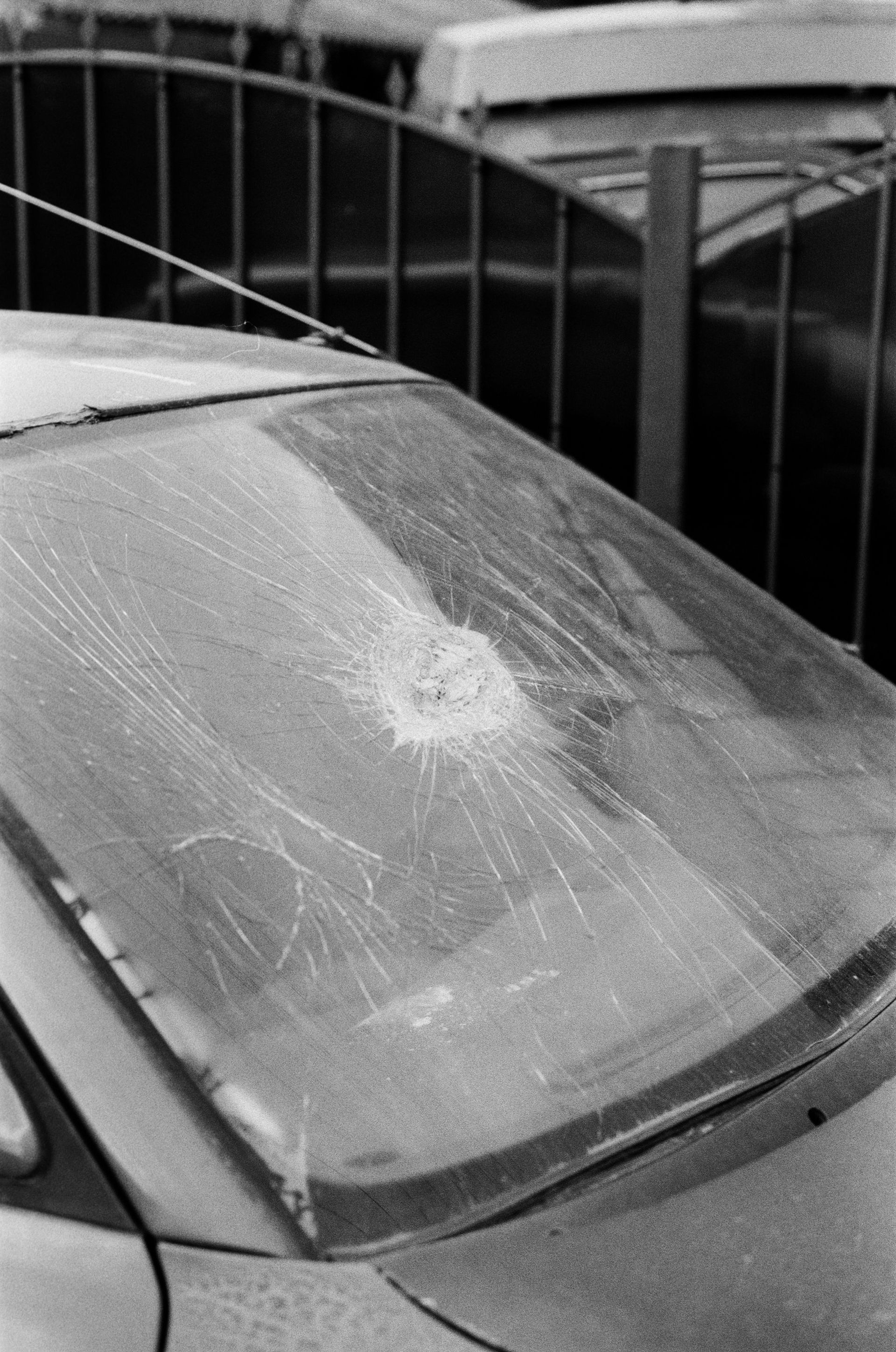
Hidden damage inspection identifies less obvious consequences of hail impacts, including cracked windshield seals that may leak months later, damaged side mirror housings, dented roof rails, and compromised weatherstripping that allows wind noise after repeated hail strikes along sealing surfaces. The shop documents these additional issues for insurance supplemental claims, since adjusters often approve only the most visible damage during initial estimates and require updated requests once full teardown reveals secondary failures.
Repair timelines depend on damage severity and insurance authorization speed—vehicles with under 50 dents accessible for paintless repair often complete within several days, while severe hailstorms requiring multiple panel refinishing may extend work to two weeks. The shop coordinates with insurers to file claims, assist with documentation requirements, and track approval progress to minimize delays once repair authorization clears.
Hail Damage Repair Considerations
Storm damage raises questions about repair timing, insurance processes, and how hail affects vehicle value in Bismarck and Mandan.
Why does repair timing matter after hailstorms?
Delaying repairs allows moisture to penetrate cracked paint and corrode exposed metal, and North Dakota's winter road salt accelerates this deterioration. Unrepaired hail damage also reduces resale value more significantly over time as weathering makes the damage more visually prominent and structurally concerning to buyers.
How does paintless dent repair differ from traditional hail repair methods?
Paintless repair manipulates the metal back into shape from behind the panel without sanding or repainting, preserving the factory finish and typically costing less. Traditional methods involve grinding, filling, and refinishing, which become necessary when paint has cracked or when backside panel access is impossible due to structural bracing or foam reinforcement.
What does a complete hail damage inspection include?
Technicians examine all exterior surfaces including the roof, hood, trunk, fenders, doors, mirrors, roof rails, and trim pieces, measuring dent depths and mapping impact locations. They also check glass for chips, inspect weatherstripping for compression damage, and photograph all findings for insurance documentation.
Can hail damage be repaired on motorcycles and luxury vehicles?
The shop repairs hail damage on cars, trucks, SUVs, motorcycles, boats, and luxury vehicles using methods appropriate to each construction type. Motorcycles with aluminum fuel tanks and luxury vehicles with aluminum body panels require adjusted techniques compared to steel-bodied vehicles.
How do insurance companies handle hail damage claims in North Dakota?
Most carriers authorize repairs through collision coverage or comprehensive policies depending on your coverage structure, and the shop prepares estimates formatted to insurer specifications, coordinates adjuster inspections, and submits supplemental requests for hidden damage discovered during repairs.
ProFinish restores vehicles after hailstorms using paintless dent repair or traditional refinishing methods depending on damage severity and panel accessibility. Request a free hail damage inspection in Bismarck or Mandan to document storm impacts and begin the insurance claim process.